Birth Chart
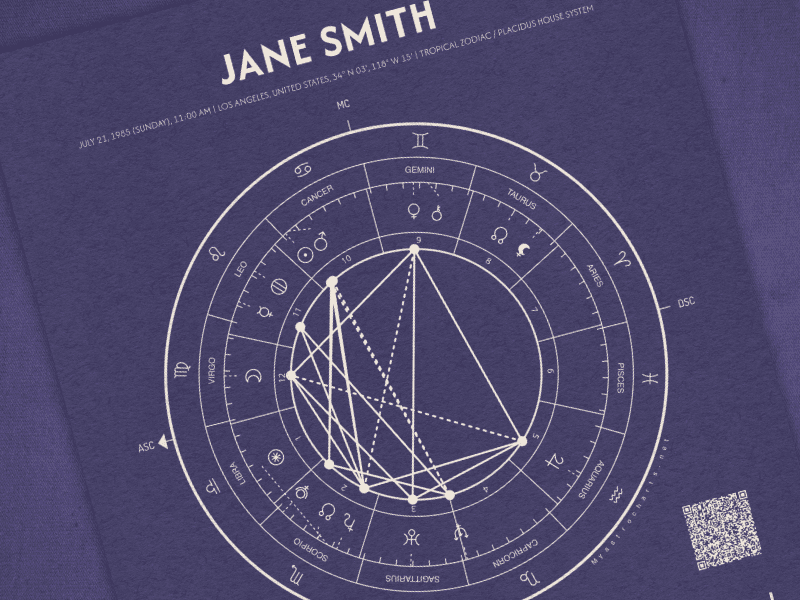
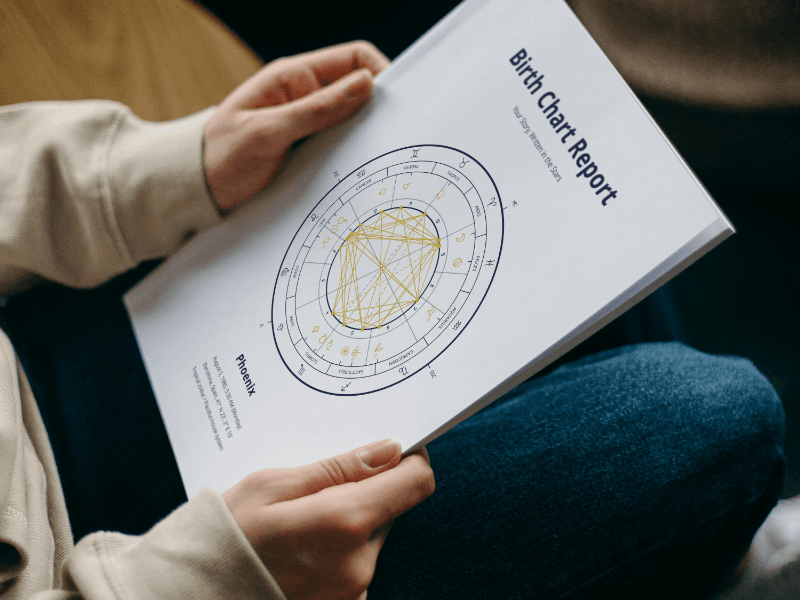
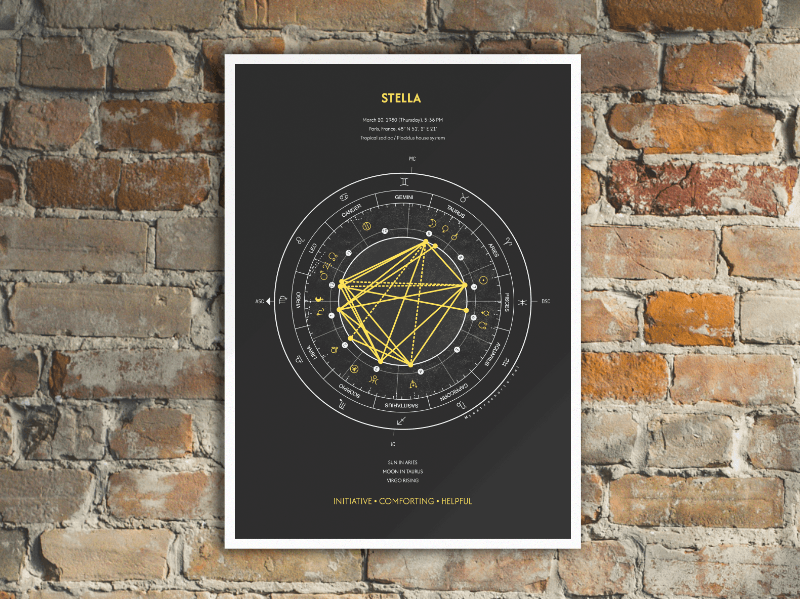
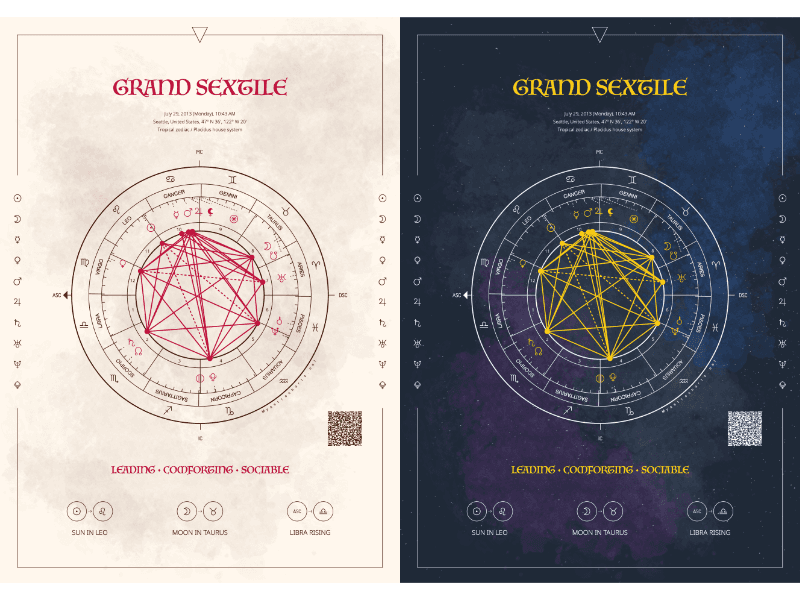
A birth chart (also called a natal chart) is a celestial map of the sky at the moment you were born. It shows the positions of planets, houses, aspects, and points like Arabic Parts—revealing themes, patterns, and the kind of energy you tend to carry and grow through.
Think of it as a snapshot of relationships in the sky: what’s emphasized, what’s supporting, what’s pushing, and where life is asking for growth. The chart doesn’t replace choice—it gives context.
Non interactive chart sample
For example, consider the chart for February 8, 1931, at 21:01 in Marion, USA—the moment of James Dean's birth. This chart maps the sky at that time, showing the blend of drives, instincts, and life themes that can shape how a person expresses themselves in the world.
Once you have your chart, you can start interpreting it by looking at its most important elements—your anchors before the fine details.
Sun
The Sun represents core identity, vitality, and the kind of life-force you grow into over time. Its sign describes your style of “being you,” and its house shows where you’re meant to shine. In this chart, the Sun is in Aquarius in the 5th house—individual, future-minded energy expressed through creativity, joy, and self-expression.
Moon
The Moon describes your emotional nature, instincts, and what helps you feel safe and steady. Its sign shows how you process feelings, and its house shows where those feelings speak the loudest. Here the Moon is in Libra in the 1st house—seeking harmony and connection, with emotions that tend to show on the surface.
Ascendant
The Ascendant is the sign rising on the eastern horizon at the moment of birth—your first impression, your approach to life, the “lens” people meet first. It colors your manner, your timing, and how you enter new spaces. In this chart, the Ascendant is in Libra, giving a diplomatic, socially aware, relationship-oriented tone to the outward self.
Other planets
Each planet describes a different function—how you think, love, act, grow, commit, and transform. The sign shows the style of that function, and the house shows where it plays out most. Here Mars is in Leo in the 10th house: bold drive and creative courage expressed through career, public goals, and the need to make a visible mark.
Venus in Capricorn in the 3rd house adds a quieter kind of charm—serious about words, loyal in connection, and drawn to relationships that are built through trust, consistency, and meaningful conversation.
Houses
The chart is divided into 12 houses—life areas where energy shows up, from self and relationships to work, home, and meaning. The sign on a house cusp describes the tone of that area. Here the 9th house is in Gemini, pointing to growth through curiosity—learning, questions, travel, ideas, and a mind that opens doors by staying flexible.
Aspects
Astrological aspects are the angles between planets—the way different parts of you cooperate, clash, or awaken each other. They can flow easily, press for change, or create turning points that shape how your story unfolds.
Aspects add depth by showing how energies interact, not just where they sit. A sextile is often a supportive connection—an opportunity that works best when you engage it. Here the Sun and Uranus form a sextile, linking identity with originality: a natural spark for difference, experimentation, and surprising creative turns.
By reading planets (what), signs (how), houses (where), and aspects (how they interact), you can spot strengths, challenges, habits, and meaningful directions—without losing the human nuance behind the symbols.
And this is only the beginning. A full chart can reveal repeating themes, timing cycles, relationship patterns, and career motivations. The more layers you add, the more the chart stops feeling like symbols and starts feeling like a story you can actually use.