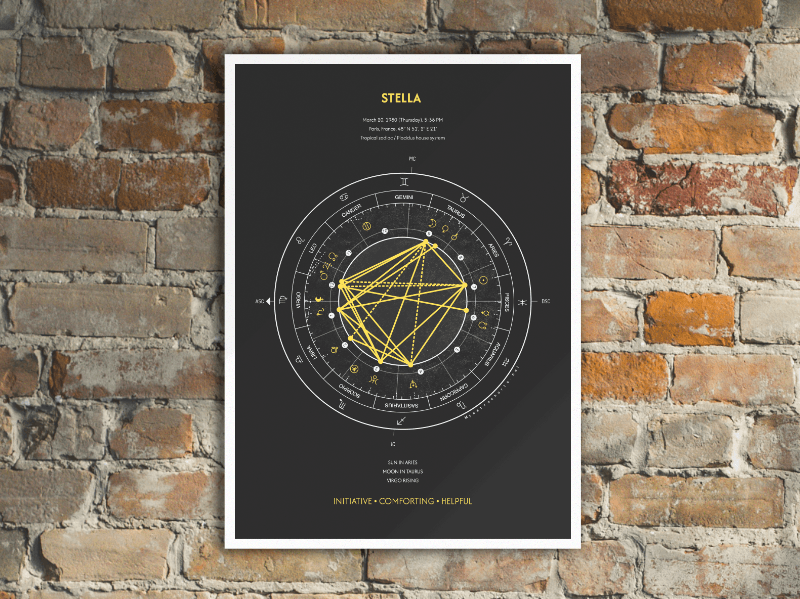
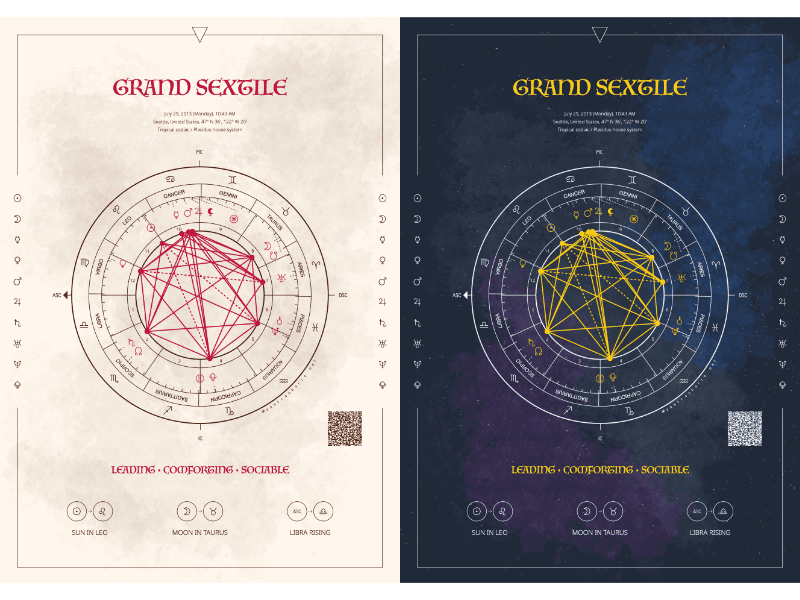
The chart ruler is the ruling planet of the Ascendant sign. It plays a key role in shaping personality, approach to life, and how others perceive the individual.
Chart Highlights
A summary of meaningful astrological highlights drawn from the chart.
The dominant element is found by analyzing the distribution of planets across the four elements (Fire, Earth, Air, and Water). The most frequently occurring element reveals natural tendencies and energy focus.
The dominant modality (Cardinal, Fixed, or Mutable) is determined by evaluating the number of planets in each mode. It reveals how a person initiates action, adapts to change, and handles challenges.
The signature sign is derived by combining the dominant element and dominant modality. It summarizes the overall astrological influences in a chart and reflects core personality traits.
The dominant planet is determined by analyzing its strength through multiple factors, including its position by house and sign, aspects it forms, and whether it rules key points in the chart.
The dominant hemisphere is identified by the distribution of planets across the four hemispheres: Northern (private), Southern (public), Eastern (self-driven), and Western (relationship-oriented). It reveals whether a person is more introspective, socially active, independent, or influenced by others.
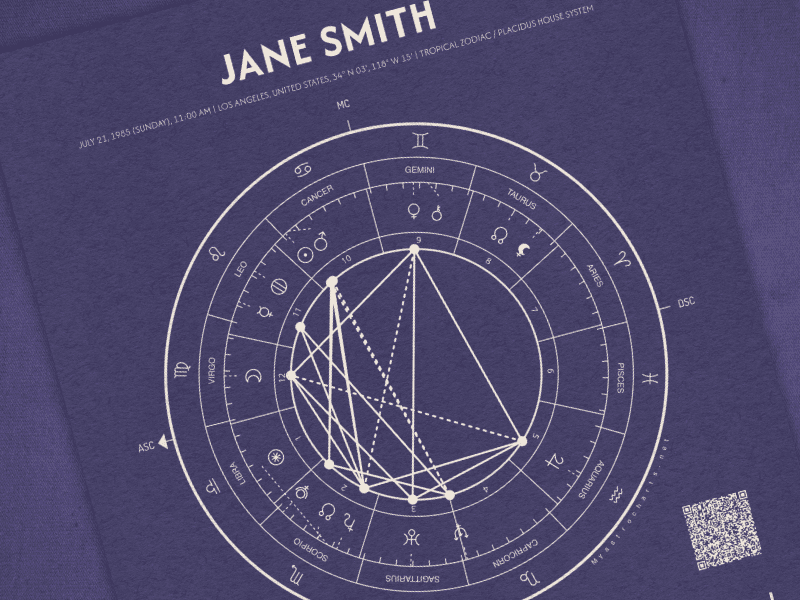
The chart shape is based on the arrangement of planets within the 12 houses. Different patterns (e.g., Bowl, Splash, Bundle) indicate personality traits and life approach.
The dominant polarity is determined by assessing the distribution of planets in Yin (Earth & Water) and Yang (Fire & Air) signs. It reflects whether a person is more introverted or extroverted.
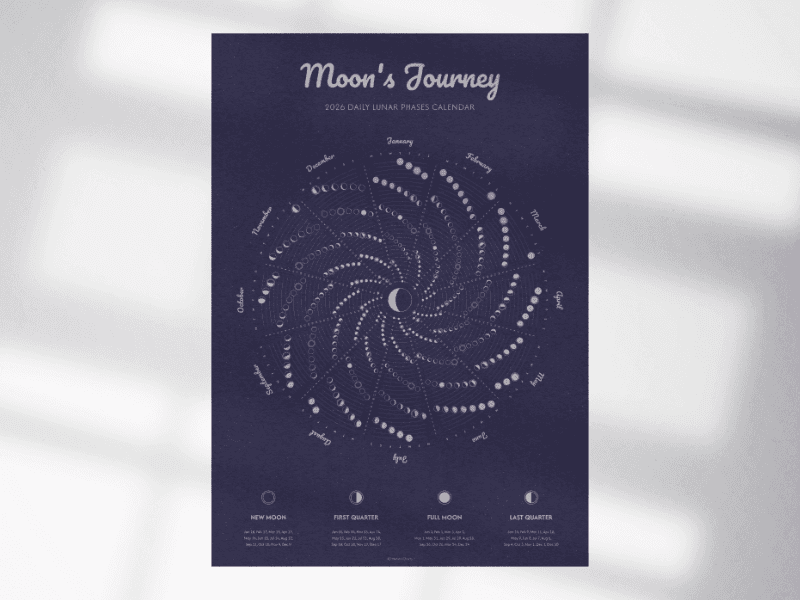
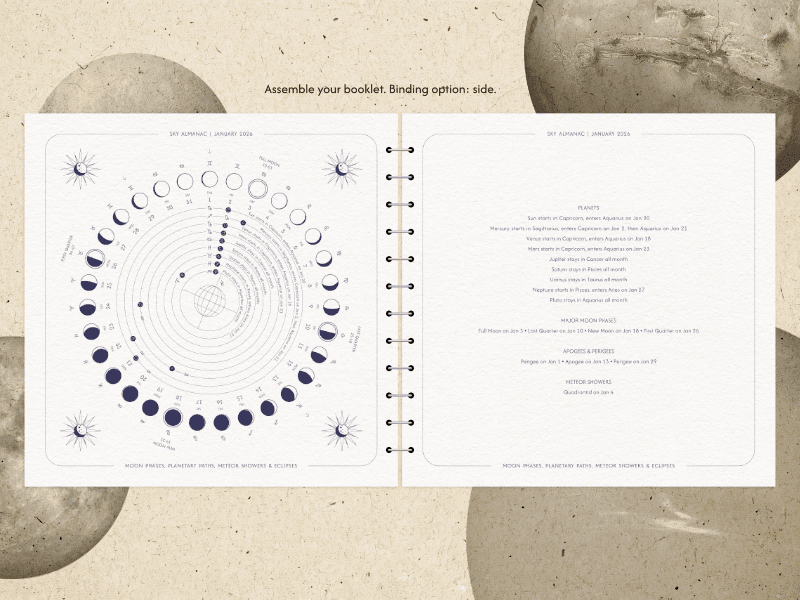
The Moon phase is determined by the Moon’s position relative to the Sun at the time of the chart. It reflects emotional nature, instincts, and life cycles.